



Introduction
Email marketing remains one of the most reliable ways for online businesses to communicate with their audiences. While social media platforms and digital advertising channels continue to evolve, email provides a direct and consistent connection between businesses and their customers.
For small online businesses, bloggers, and digital entrepreneurs, email marketing software plays an important role in building relationships, sharing updates, and promoting products or services. Instead of sending messages manually, these tools help businesses manage subscriber lists, create professional campaigns, and track audience engagement.
Modern email marketing platforms are typically offered as cloud-based SaaS solutions. This means they are accessible through web browsers and require little technical setup. Understanding how these tools work can help entrepreneurs build structured communication strategies and maintain long-term engagement with their audiences.
Core Concept Explanation
Email marketing software is a digital platform that helps businesses send targeted messages to groups of subscribers. These platforms manage contact lists, organize email campaigns, and analyze how recipients interact with messages.
The main goal of email marketing tools is to simplify communication between businesses and their audiences. Instead of sending emails one by one, businesses can send newsletters, updates, or promotional content to thousands of subscribers at the same time.
Most platforms also include automation features that allow businesses to create email sequences. For example, when someone subscribes to a newsletter, the system may automatically send a welcome message followed by additional emails over time.
For beginners, email marketing software can be understood as a communication system that helps businesses deliver relevant information to the right people at the right time.
How the Technology or Software Works

Email marketing platforms operate through cloud-based systems that store subscriber data and campaign information securely. When a business creates an account, it can begin collecting email addresses through signup forms, website subscriptions, or customer interactions.
The platform organizes subscribers into lists or segments. These segments allow businesses to send specific messages to different groups of users based on interests, location, or previous activity.
Once a campaign is created, the system sends emails through specialized email servers designed for large-scale delivery. These servers help ensure that emails reach recipients’ inboxes instead of spam folders.
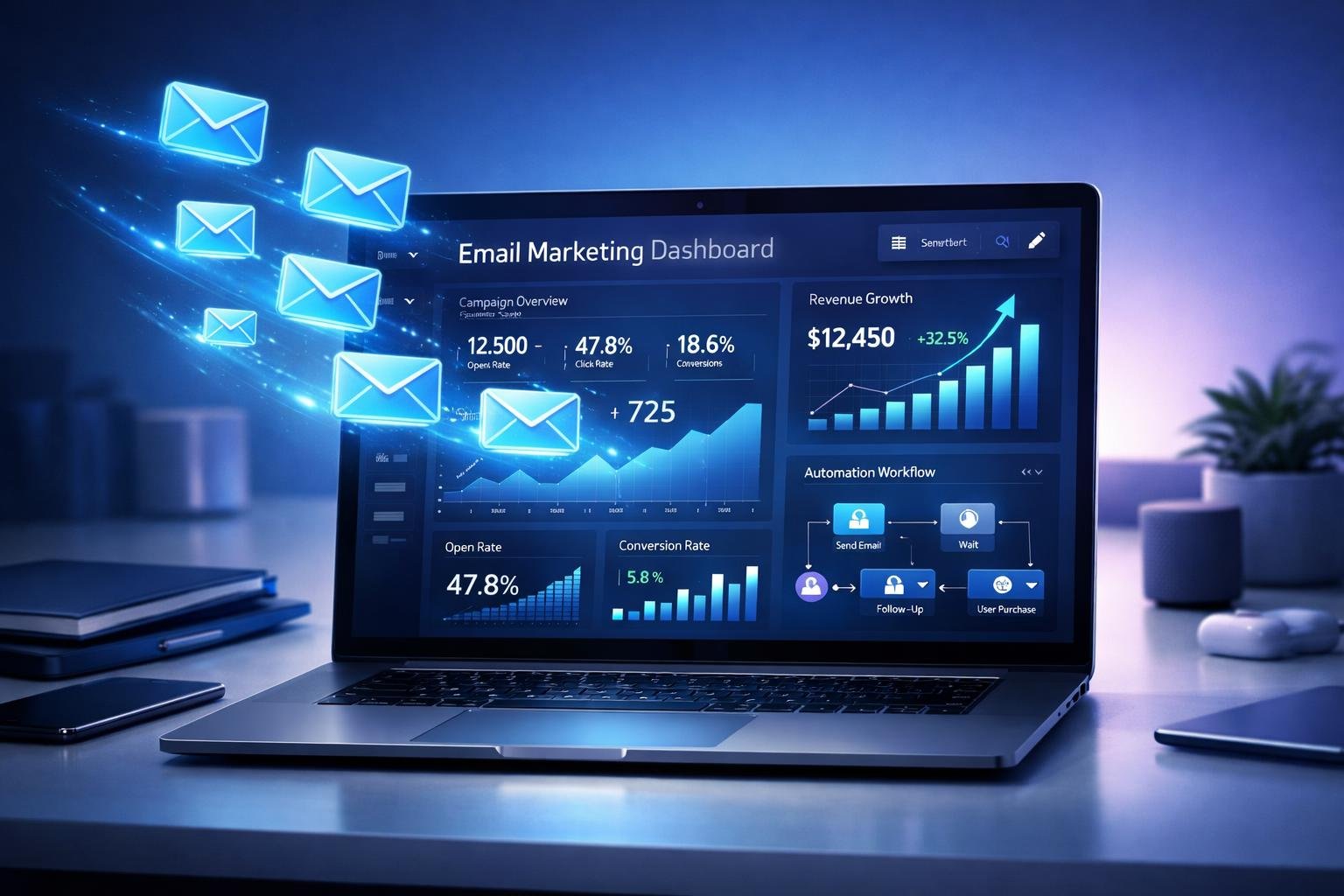
Most platforms also provide analytics dashboards where businesses can track open rates, click rates, and subscriber behavior. This data helps marketers understand how audiences respond to their messages and improve future campaigns.
Types or Categories of Tools in This Field
Email marketing software includes several categories that support different communication strategies.
Newsletter platforms focus on sending regular updates and content to subscribers. These tools are often used by bloggers, creators, and media websites.
Marketing automation tools combine email campaigns with automated workflows. They allow businesses to create sequences that respond to user behavior.
Customer relationship management (CRM) email tools integrate email communication with customer databases. This helps businesses manage both marketing and customer interactions in one platform.
Transactional email services focus on sending automated messages such as order confirmations, account notifications, or password resets.
Each category serves different purposes, and many modern platforms combine several of these capabilities into a single system.
Real-World Business Use Cases
Email marketing software supports many real-world business activities.
A blogger or content creator may use email newsletters to share new articles, updates, or educational content with subscribers. This helps maintain long-term engagement with readers.
Online stores often use automated emails to send order confirmations, product recommendations, and abandoned cart reminders. These messages help improve the customer experience and encourage repeat purchases.
A startup company might use email campaigns to introduce new products, share company updates, and maintain communication with early customers.
Freelancers and consultants may also use email marketing tools to distribute newsletters, share insights, and maintain professional relationships with clients.
In each case, email marketing software acts as a communication platform that supports consistent interaction with audiences.
Popular SaaS Tools or Platforms
Several SaaS platforms are widely used for email marketing by small online businesses.
Mailchimp is one of the most recognized email marketing platforms. It provides tools for building campaigns, managing subscribers, and analyzing email performance.
ConvertKit focuses on creators and bloggers. Its platform includes features for audience segmentation, automated email sequences, and landing page creation.
Brevo (formerly Sendinblue) offers email marketing along with SMS messaging and automation tools. It helps businesses manage multi-channel communication.
ActiveCampaign combines email marketing with customer relationship management features. It supports advanced automation workflows and audience segmentation.
MailerLite is known for its user-friendly interface and simple campaign management tools, making it suitable for beginners and small businesses.
Each of these platforms offers different features, allowing businesses to choose tools that match their communication needs and technical experience.
Benefits and Limitations
Email marketing software provides several advantages for small online businesses.
One important benefit is direct communication. Unlike social media platforms, email allows businesses to communicate with audiences without relying on algorithm changes.
Another advantage is automation. Automated workflows help businesses send welcome messages, follow-up emails, and updates without manual effort.
Email platforms also provide performance analytics that help businesses understand audience engagement and improve communication strategies.
However, there are also limitations. Building a quality email list requires time and consistent content. Additionally, poorly designed campaigns may lead to low engagement or unsubscribes.
Businesses must also follow privacy and data protection regulations when collecting and using subscriber information.
Common Beginner Mistakes
Many beginners make avoidable mistakes when starting with email marketing software.
One common mistake is focusing on list size rather than audience quality. A smaller list of engaged subscribers is often more valuable than a large list of inactive contacts.
Another mistake is sending emails too frequently or without clear purpose. Excessive messaging may cause subscribers to lose interest.
Some businesses also neglect email design and readability. Messages that are difficult to read or poorly formatted can reduce engagement.
Finally, beginners sometimes ignore analytics data. Monitoring campaign performance is essential for improving future communication strategies.
Practical Tips for Beginners
Businesses new to email marketing should begin with simple strategies.
Start by creating a clear signup form on your website where visitors can subscribe to your newsletter. Offering helpful content or resources can encourage people to join your list.
Focus on providing valuable information rather than constant promotions. Educational content, updates, and useful insights often build stronger relationships with subscribers.
Segment your audience based on interests or behavior. This allows businesses to send more relevant messages to different groups.
Finally, review analytics regularly. Understanding open rates, click rates, and engagement patterns can help refine your email strategy over time.
Future Trends in This Technology

Email marketing technology continues to evolve as digital communication becomes more personalized and data-driven.
One major trend is the integration of artificial intelligence into email marketing platforms. AI tools can help optimize subject lines, recommend content, and analyze audience behavior.
Another emerging development is advanced personalization. Future platforms are likely to deliver messages tailored to individual subscriber preferences and activity.
Improved integration with other digital tools is also expected. Email platforms will increasingly connect with e-commerce systems, analytics platforms, and marketing automation software.
As these innovations develop, email marketing will remain a key communication channel for online businesses.
Frequently Asked Questions
What is email marketing software?
Email marketing software is a platform that helps businesses send newsletters, promotional messages, and automated email campaigns to subscribers. These tools manage contact lists, organize campaigns, and provide analytics that show how recipients interact with messages.
Why is email marketing important for small businesses?
Email marketing allows businesses to communicate directly with their audience without relying on social media algorithms. It helps maintain long-term relationships with customers, share updates, and promote products or services in a structured and measurable way.
Do email marketing tools require technical skills?
Most modern email marketing platforms are designed with simple interfaces. Beginners can create campaigns using visual editors and templates without needing advanced technical knowledge. However, learning about segmentation and automation may require additional practice.
How often should businesses send marketing emails?
The frequency of emails depends on the audience and the type of content being shared. Many businesses send newsletters weekly or monthly. The key is to maintain consistent communication without overwhelming subscribers.
Can email marketing software integrate with other tools?
Yes. Many email marketing platforms integrate with websites, customer management systems, and analytics tools. These integrations allow businesses to automate workflows and manage marketing activities more efficiently.
Conclusion
Email marketing software remains one of the most valuable communication tools for small online businesses. By organizing subscriber lists, automating campaigns, and analyzing engagement data, these platforms help businesses maintain consistent relationships with their audiences.
For bloggers, startups, and digital entrepreneurs, understanding how email marketing software works can support stronger communication strategies and long-term audience growth.
When used thoughtfully, email marketing tools provide a reliable way for businesses to share information, build trust with customers, and manage digital communication in an organized and professional manner.
[…] small online business may use Shopify to manage sales, Mailchimp for email marketing, and Google Analytics for tracking performance. These tools allow the business to operate […]